

Condensation on Windows: How Does It Form?
Misted-up windows are among the most common moisture-related issues in living and working spaces, particularly during winter. But how does condensation on windows occur?
In general, condensation always forms when warm, moist air comes into contact with a colder surface. The air can no longer retain the moisture it contains, causing water to condense. Windows are particularly susceptible, as glass cools down more quickly than walls.
Moist windows occur when:
- the indoor air has a high level of humidity (for example from cooking, showering or sleeping),
- outdoor temperatures are low,
- or the window is insufficiently thermally insulated.
Misted-up windows are therefore not a coincidence, but a clear indication that temperature, humidity and window quality are not optimally balanced. Understanding how condensation forms allows you to take targeted action and avoid long-term damage.
Damp Windows Overnight – Why Does This Happen?
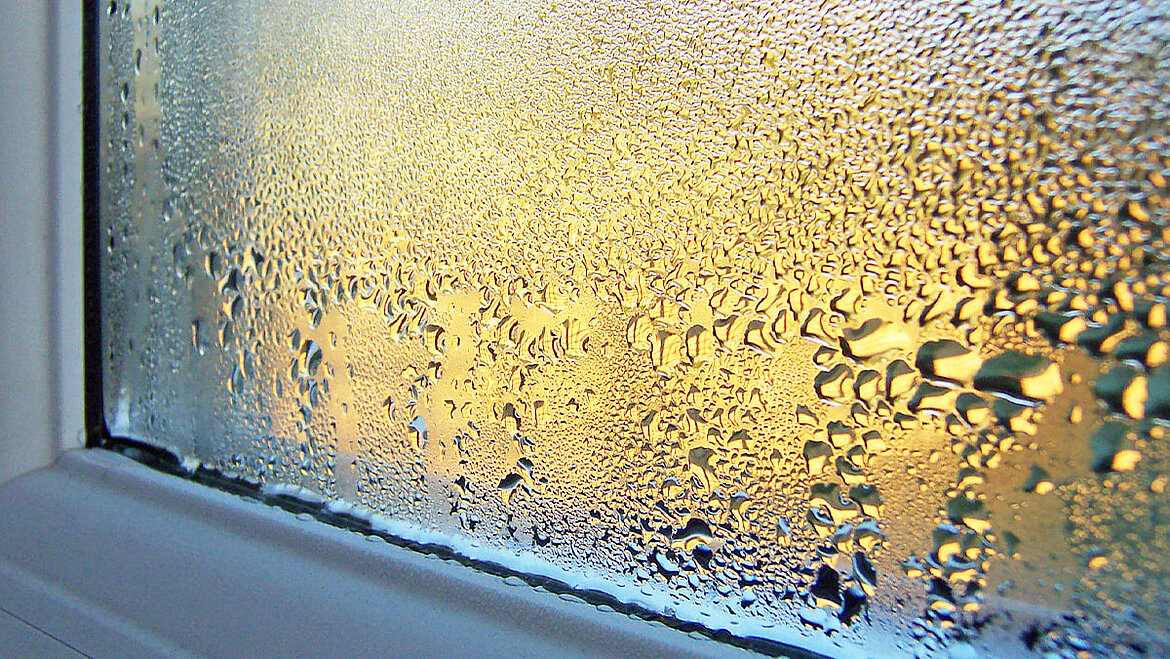
Many people are surprised to find condensation on their windows overnight. The reason lies in the changed indoor climate during sleep. At night, people release moisture into the room air through breathing and body heat. At the same time, the temperature at the windows drops, as heating is often reduced.
The result: warm, moist air condenses on the cold glass surface.
The question of why windows mist up especially at night can therefore be answered quite simply: excessive humidity combined with cold surfaces – a classic physical interaction.
Condensation on Roof Windows – Specific Causes and Risks
Condensation on roof windows often occurs more frequently than on façade windows. This is because warm air rises and collects beneath the roof. If it then encounters poorly insulated glazing, condensation is almost inevitable.
Common causes of misted-up roof windows include:
- insufficient thermal insulation,
- inadequate or incorrect air circulation,
- or outdated window constructions.
This becomes particularly critical when condensation on roof windows goes unnoticed. Moisture can migrate from the window frame into adjacent building components. Water often runs behind the interior lining or into the roof insulation layer, where it remains trapped for a long time. This can lead to damp insulation, heat loss and, in the worst case, mould growth or damage to timber elements such as rafters and window connections.
As these issues often only become visible at a later stage, choosing a high-quality, well-insulated roof window solution is essential to prevent severe condensation from the outset.

Never miss a topic again
Stay informed with our newsletter about new products, exciting projects, events and expert knowledge relating to LAMILUX skylights.
How Much Condensation on Windows Is Normal – and When Does It Become a Problem?
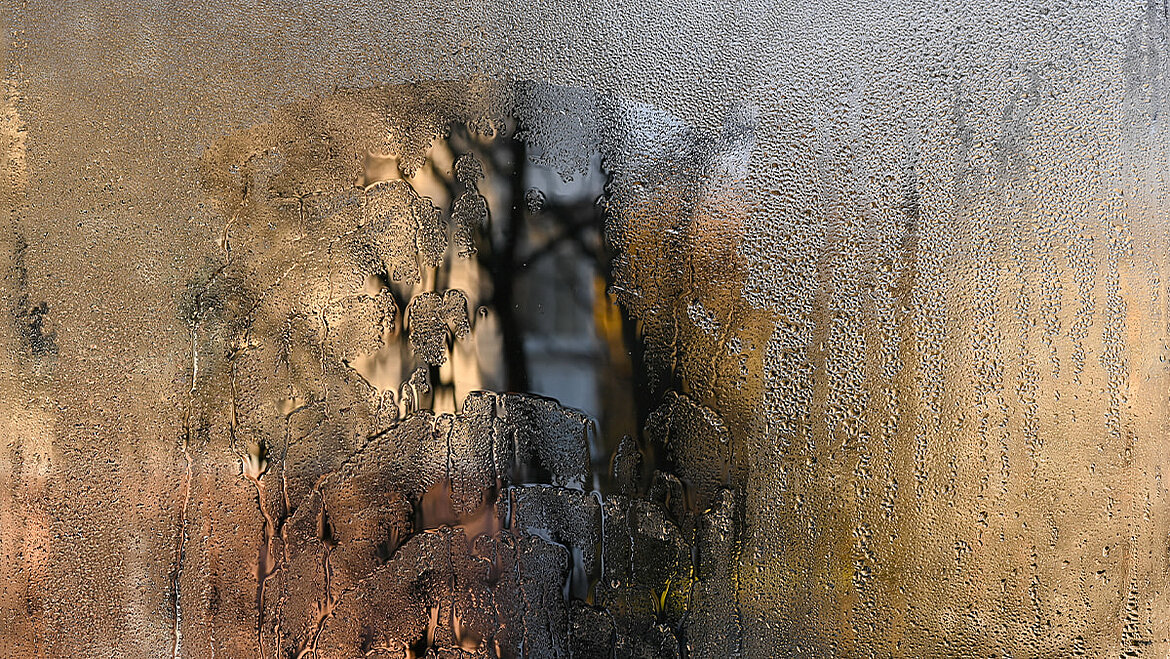
This question cannot be answered in general terms. A light film of moisture on very cold days is harmless and can even indicate that modern windows are well sealed.
It becomes problematic when:
- water regularly runs down the window,
- window frames remain permanently damp,
- or mould begins to form.
In such cases, immediate action is required, as persistent condensation can not only damage the building fabric but also have a negative impact on health.
Misted-Up Windows: What Really Helps – and What Doesn’t?
Many people look for quick fixes or home remedies. But what actually helps with condensation on windows?
The answer: only measures that address the causes are effective in the long term.
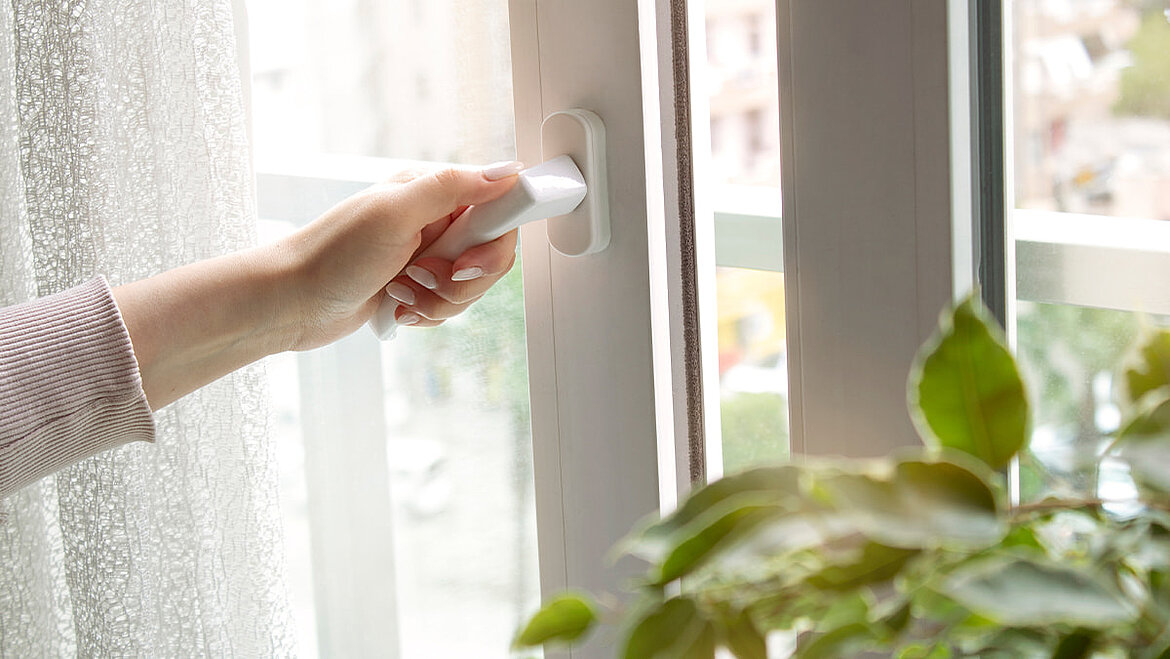
Proven measures against damp windows include:
- Proper ventilation: Shock ventilation instead of leaving windows tilted reduces humidity effectively
- Systematic heating: Even room temperatures prevent cold surfaces
- Dehumidifiers: Particularly useful in rooms with high moisture levels
- Anti-condensation films: Can help temporarily, but do not replace high-quality glazing
Home remedies are also commonly used to combat misted-up windows. Salt or unscented cat litter placed on the windowsill, as well as washing-up liquid or shaving foam applied to the glass, may provide short-term relief. However, many so-called remedies only alleviate symptoms, not the cause. In the long term, window quality is decisive.
Preventing Misted-Up Windows – with LAMILUX Skylights
Anyone looking to prevent condensation permanently should start with the choice of window. But which windows help prevent condensation?
The answer: windows with high thermal insulation, well-designed construction and optimised air circulation.
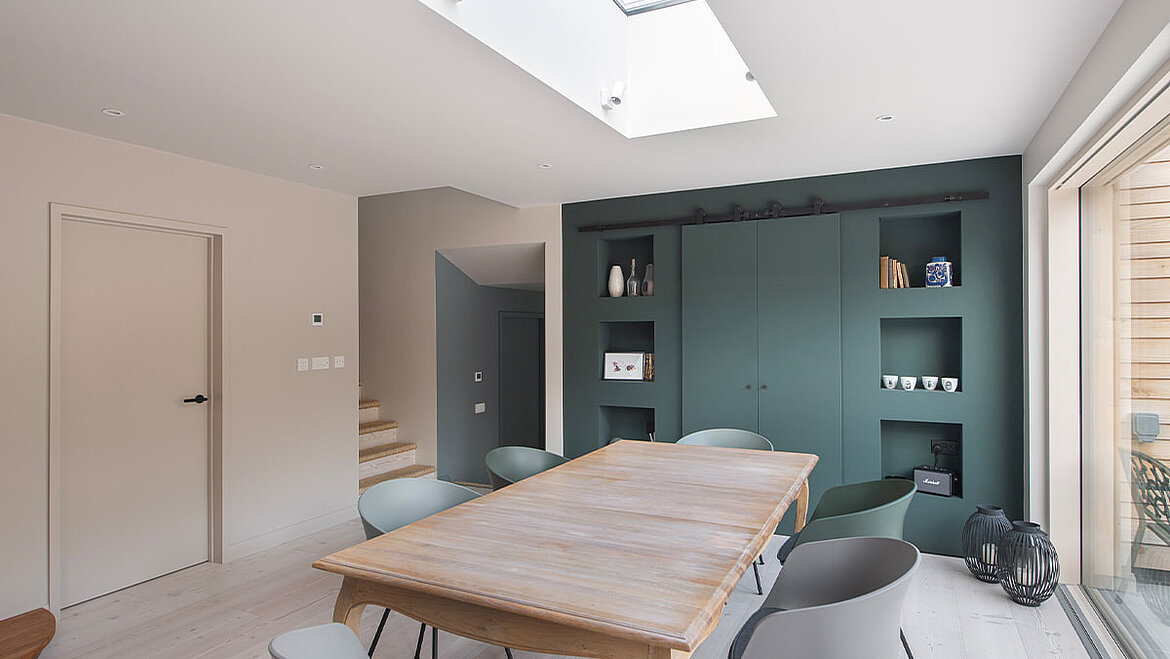
What Do LAMILUX Skylights Offer?
LAMILUX skylights are specifically designed to promote a healthy indoor climate and prevent damp roof windows. They offer:
- High-performance thermal insulation glazing
- Minimisation of thermal bridges
- Smooth isothermal curves
- Thermal insulation and energy efficiency up to passive house standard
- Stable internal surface temperatures, verified with an fRsi value of 0.79
Thanks to this combination, the inner pane remains warmer and condensation does not form in the first place. The result: dry windows, reduced mould risk and lasting improvements in living and working comfort.

Our Glass Skylights
Whether residential buildings, day-care centres or office complexes – LAMILUX Glass Skylights enhance any space and provide daylight, fresh air and a high level of comfort. Discover the wide range of available options.
Preventing Condensation Is No Coincidence
Misted-up windows are always a signal of excessive humidity, cold surfaces or unsuitable window solutions. Those who understand the causes and rely on high-quality systems such as LAMILUX skylights can not only reduce condensation on windows, but prevent it permanently. This improves the indoor climate and protects your building in the long term.


