

How sustainable building materials enable climate-friendly construction
Today, refurbishment means far more than simply preserving value. It is one of the most important levers for climate protection. Of particular importance is the selection of ecological, durable and circular materials, as these determine how sustainable and future-proof a building truly is.
The carbon footprint of the construction sector is enormous. The industry is responsible for around 40 % of global CO₂ emissions. If the global cement industry were a country, it would rank as the world’s third-largest CO₂ emitter after China and the United States.
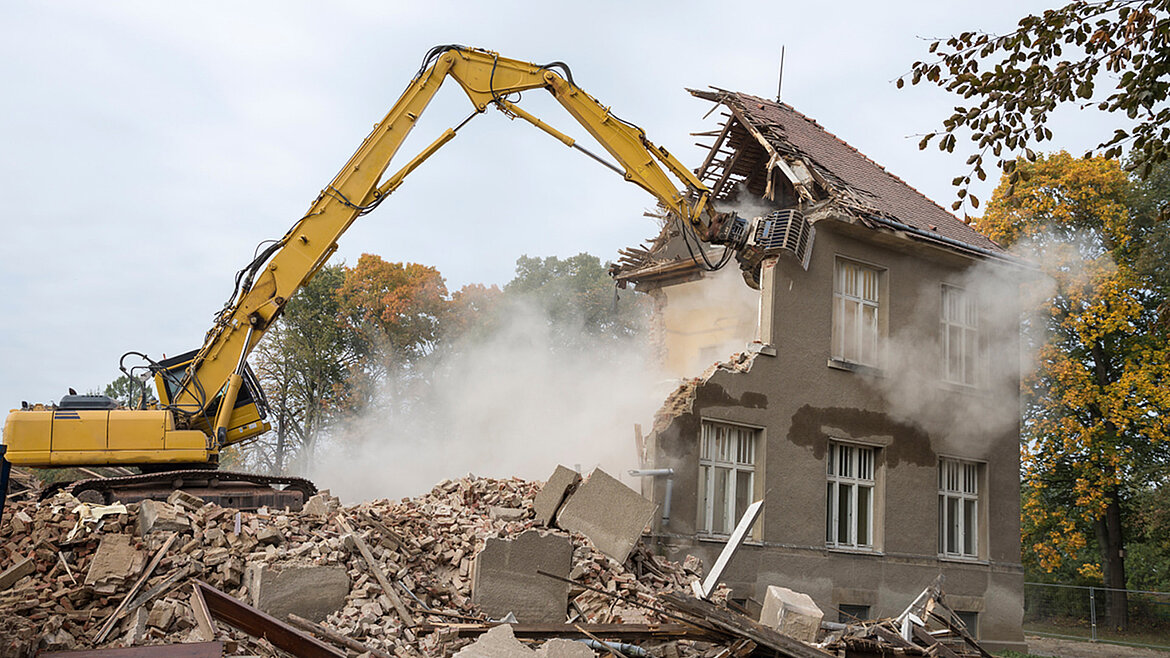
“For this reason, we need to reduce the amount of cement used – for example through substitute materials or alternative binders,” explains Dr Volker Thome, scientist at the Fraunhofer Institute for Building Physics IBP. Sustainable architecture, however, extends far beyond a building’s operational phase. Dr Simon Schmidt, who is also active in materials research at Fraunhofer IBP, adds: “In Germany, energy demand during operation has become so low that the ‘grey energy’ of materials is increasingly coming into focus.” This refers to the total energy required for the production, transport, installation, use and eventual demolition of a material. Sustainability also includes a high degree of recyclability and freedom from harmful substances, as Thome emphasises: “Sustainability means thinking about the entire life cycle – from production and use through to dismantling.”
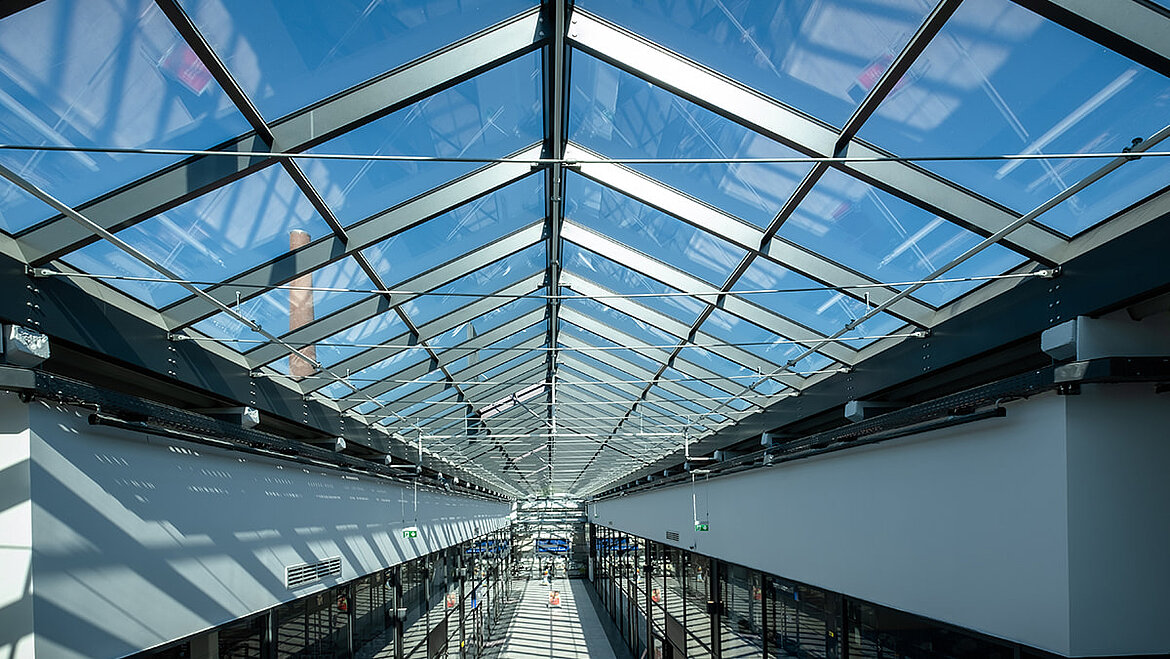
The life cycle of a building
How sustainable is a building really? The answer lies in looking at its entire life cycle – from planning through to deconstruction. This article shows why every phase matters.
Challenges of sustainable refurbishment
Refurbishment is where old and new meet. The challenge lies in carefully integrating modern, energy-efficient technologies into existing building fabric, which is sometimes contaminated with hazardous substances.
“I have an existing building with an existing structure and materials that may no longer be permitted or advisable today, such as asbestos. If I add something new, it has to be durable, demountable and ideally circular,” explains Schmidt. He cites the fastening of thermal insulation systems as an example. While external insulation systems are often bonded, prefabricated façade elements are mechanically fixed and can be dismantled without residue. Decisions like these must therefore be carefully considered during refurbishment and represent a major lever for greater sustainability. Sustainable refurbishment of existing buildings is demanding, but it also offers enormous potential for climate-friendly construction.
The state of sustainable refurbishment in Germany
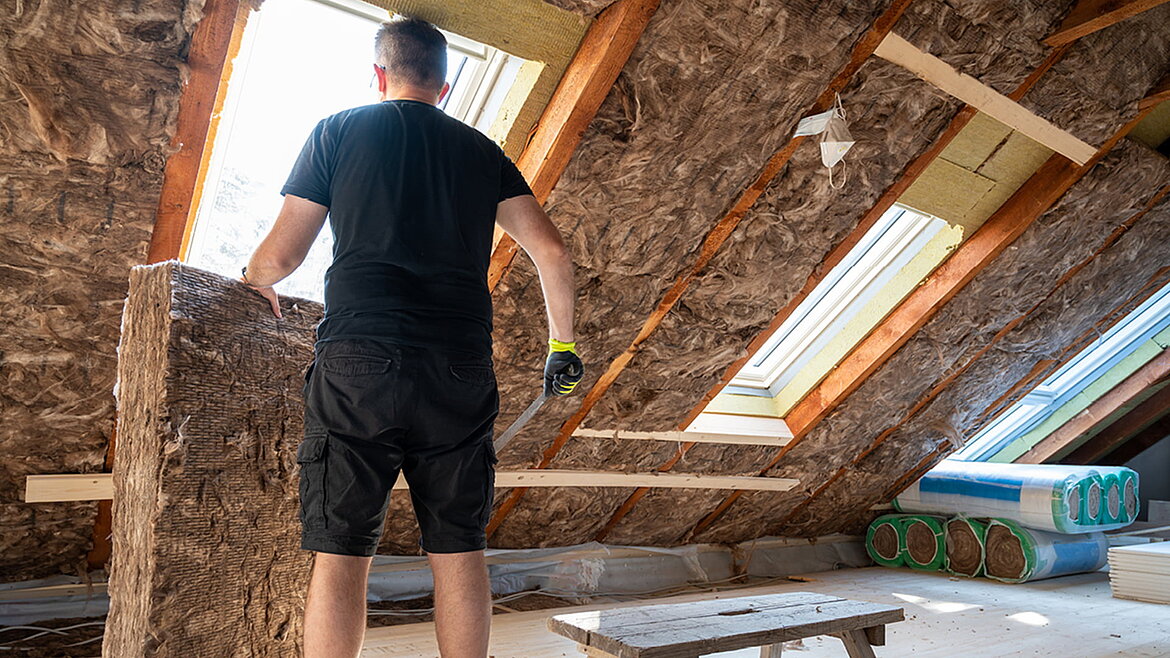
Progress is measurable, but still limited. “The current refurbishment rate is below 0.7 per year in Germany – far too low,” warns Dr Simon Schmidt. There is also room for improvement when it comes to materials: only around 9% of insulation materials used in façade refurbishments are biobased. However, the trend is moving in the right direction, as funding programmes and certification systems increasingly prioritise sustainability.
Initiatives such as the KfW programme “Energy-Efficient Construction” are placing growing emphasis on sustainable solutions. Nevertheless, refurbishing with ecological materials remains the exception rather than the rule.
Innovations for sustainable construction: new materials in focus
Research is continuously developing new sustainable building materials with one clear objective: drastically reducing CO₂ emissions without compromising quality. The Fraunhofer Institute for Building Physics IBP is a pioneer in this field. Dr Simon Schmidt and Dr Volker Thome present several promising approaches:
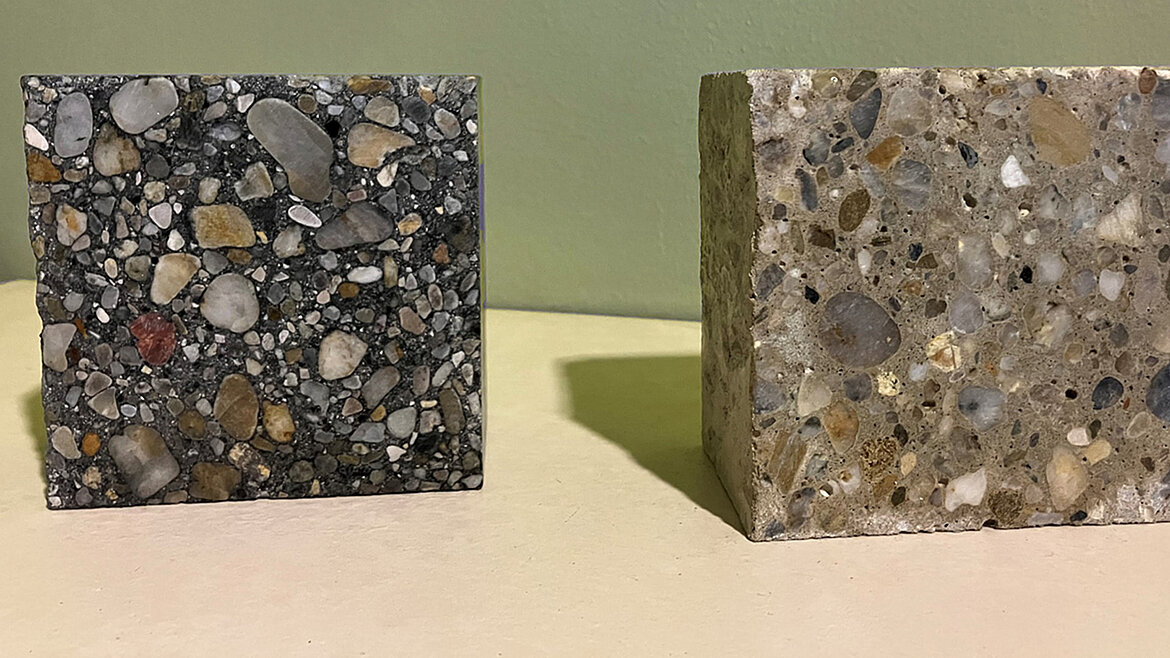
Geopolymers are cement-free, concrete-like materials with only around 10% of the CO₂ emissions of conventional concrete variants. LC3 cement is a cement blend with up to 50% less cement content while maintaining full performance. Pyrochar-enhanced concrete incorporates up to 30% pyrochar, which can make the material theoretically climate-neutral.
“We are working with various climate-friendly, low-cement materials. Geopolymers are one example – cement-free, concrete-like materials whose CO₂ emissions are only around 10% of those of conventional cement-based materials,” explains Thome. Another highlight is pyrochar-enhanced concrete. “Our goal is to integrate up to 30% pyrochar into concrete – at that point, the material becomes climate-neutral on balance.”
There is also inspiration to be found in history: “Roman concrete fascinates us – for example in the Pantheon in Rome. Our aim is to learn from historic materials for the future, because sustainable construction was already possible back then.”
However, innovation is not limited to materials alone. Digital processes are also becoming increasingly important. “Our solution is a central digital building model that all project participants can connect to. This allows refurbishment projects to be planned more efficiently and sustainably,” Schmidt adds.
Biobased building materials – progress or risk?
Materials such as wood, seagrass, straw or sheep’s wool are considered ecological materials of the future, but they also pose new challenges. “Biobased materials do indeed create a certain tension. By their very nature, they are designed to biodegrade. This means that under certain temperature and humidity conditions – precisely the conditions in which we feel comfortable – they can begin to age or develop mould,” Schmidt explains. It is therefore crucial to select the right boundary conditions and carefully coordinate constructions. “Biobased materials are very promising, but their durability depends heavily on processing, installation and environmental conditions – especially in refurbishment projects.”
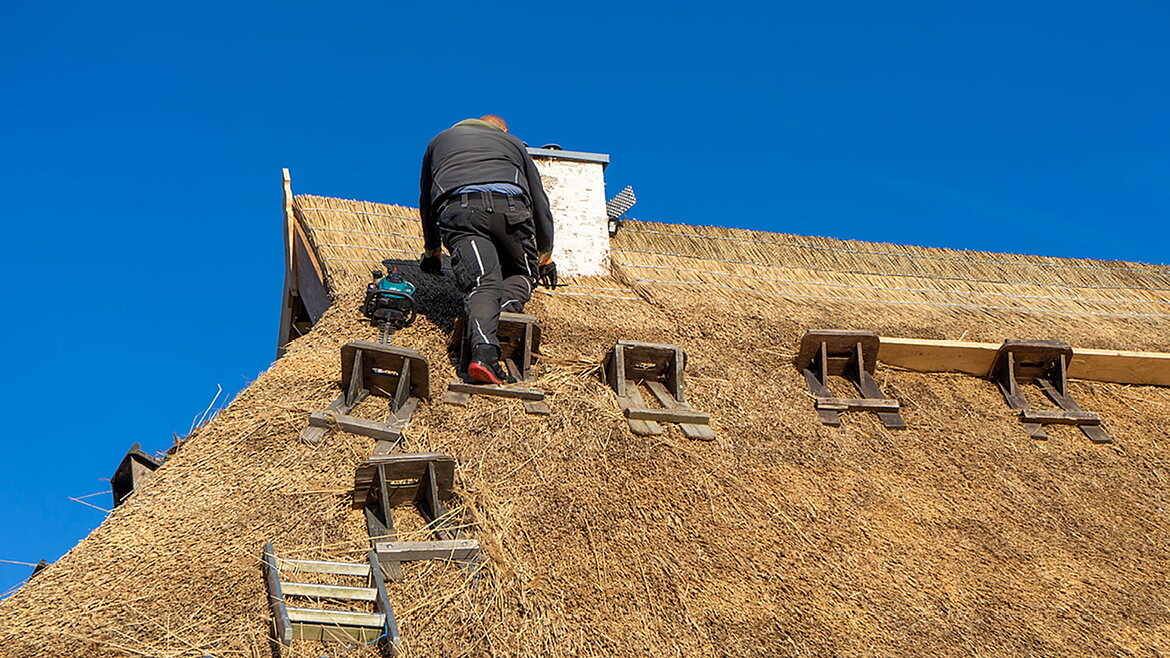
Sustainable materials for modern roofs
Roofs also offer significant potential for the use of sustainable materials. “We are currently working with a partner company on new roof tile materials designed to be more resistant to hail – an increasingly important issue in light of growing extreme weather events,” Thome explains. Biobased materials also offer opportunities in roof refurbishment, but Schmidt points out a key challenge: “It becomes complex when existing, dense roof layers such as bitumen membranes are retained and insulation is only added from the inside. In such cases, moisture transport to the outside is inhibited, which can lead to problems such as thermal bridges or critical component junctions.” Material selection should therefore always be tailored individually to the specific building – particularly in energy-efficient refurbishment of existing structures.
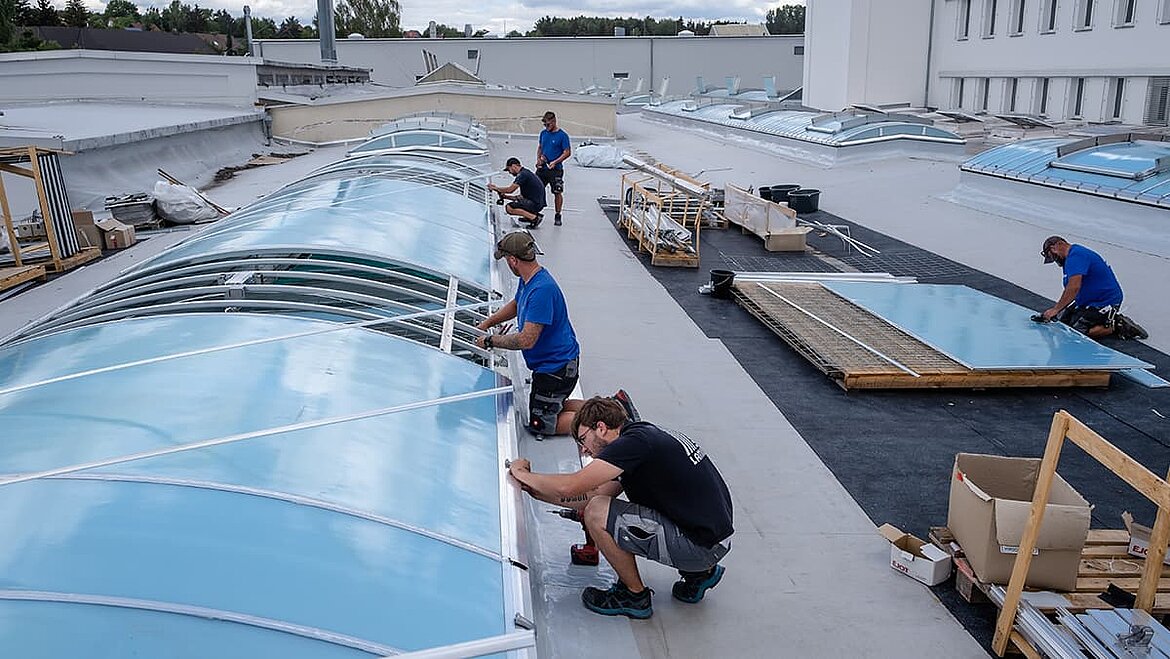
Energy-Efficient Renovation of Flat Roofs
Whether due to rising energy costs or new legal requirements: the energy-efficient renovation of flat roofs is becoming a key measure for sustainable buildings. Learn how insulation, daylight, and airtightness can be effectively combined – for efficiency, comfort, and climate protection.
Find out now how to optimize flat roofs for energy efficiency.
Practical tips for sustainable architects and planners
Anyone striving for sustainable architecture needs clearly defined goals. “At the beginning of a project, define what sustainability actually means in your specific case. Is the focus on carbon neutrality? Durability? Deconstructability? Once this objective is clear, all decisions can be aligned accordingly,” Schmidt recommends.
According to Schmidt, digitalisation and planning tools also play a crucial role: “We provide planning models that allow the ecological impact of individual building components to be assessed as early as the design phase.”
Thome adds: “I would like to see more projects integrate sustainable materials already at the design stage – that’s when the greatest potential can be unlocked.”
In summary, the following four tips are particularly helpful when starting a project:
- Define clear sustainability goals (carbon neutrality, durability)
- Pay attention to environmental labels and product declarations
- Seek expert advice when selecting materials
- Use digital tools for life cycle and environmental assessments
Natural resources as a building block of sustainability
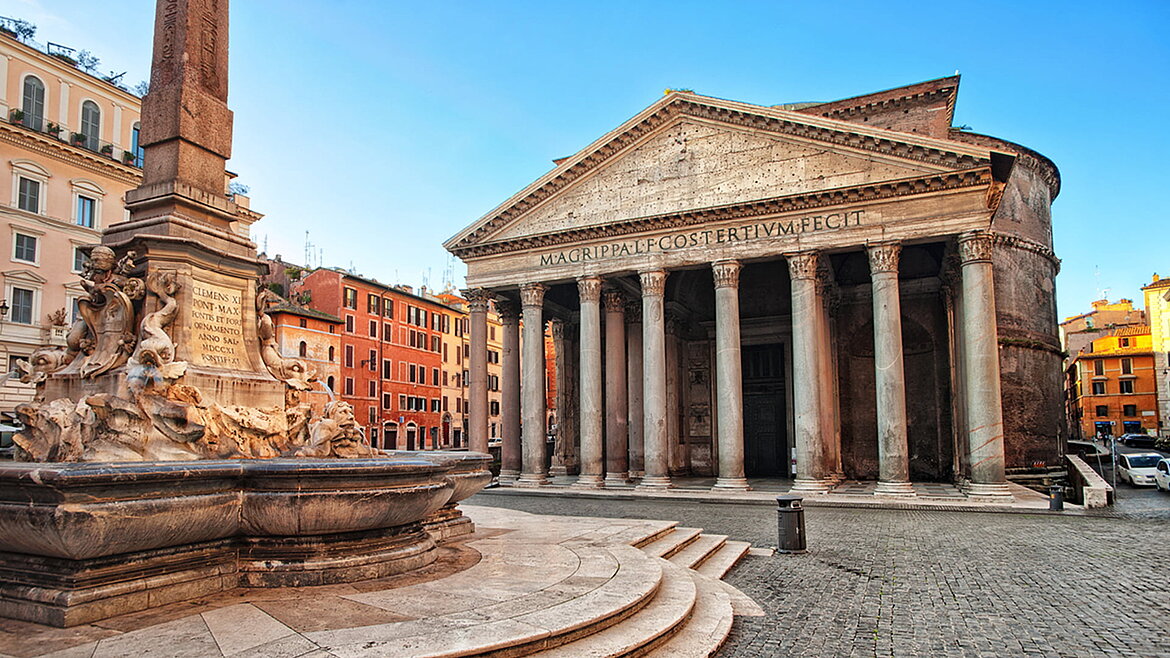
Alongside material and energy concepts, it is above all natural resources such as light, air and water that shape sustainable construction. “Everything that can be used passively – such as sunlight, rainwater or natural ventilation – should be prioritised,” says Schmidt. “Only after that should technologies like photovoltaics or heat pumps come into play.” Regional materials also offer decisive advantages. “More than 2,000 years ago, the Romans were already building with locally available materials. That reduced transport distances – and therefore CO₂ emissions. Today, we should once again place greater emphasis on regional resources instead of sourcing everything across long distances,” Thome emphasises.
Looking ahead: visions for sustainable construction
Research is clear: the future of ecological building lies in circular, CO₂-neutral materials and in new ways of thinking about buildings as holistic, sustainable systems. Thome is convinced: “In the coming years, we will need new, cement-free concretes and alternative cement formulations – because traditional additives such as fly ash or blast furnace slag will soon no longer be available. We are currently developing multifunctional building materials from which both load-bearing components and insulation materials can be produced.” Schmidt adds in conclusion: “I would like to see buildings made from as few recyclable materials as possible – so-called mono-materials – that can take on multiple functions and be completely reused. For me, sustainability means being CO₂-neutral, durable and at the same time comfortable to live in.”
The outlook shared by the two experts makes one thing clear: sustainable architecture is full of potential. What matters is making forward-looking use of the opportunities offered by modern materials, intelligent planning and natural resources. In this way, every refurbishment can become a flagship project for climate protection, quality of life and value creation – very much in the spirit of sustainable construction.
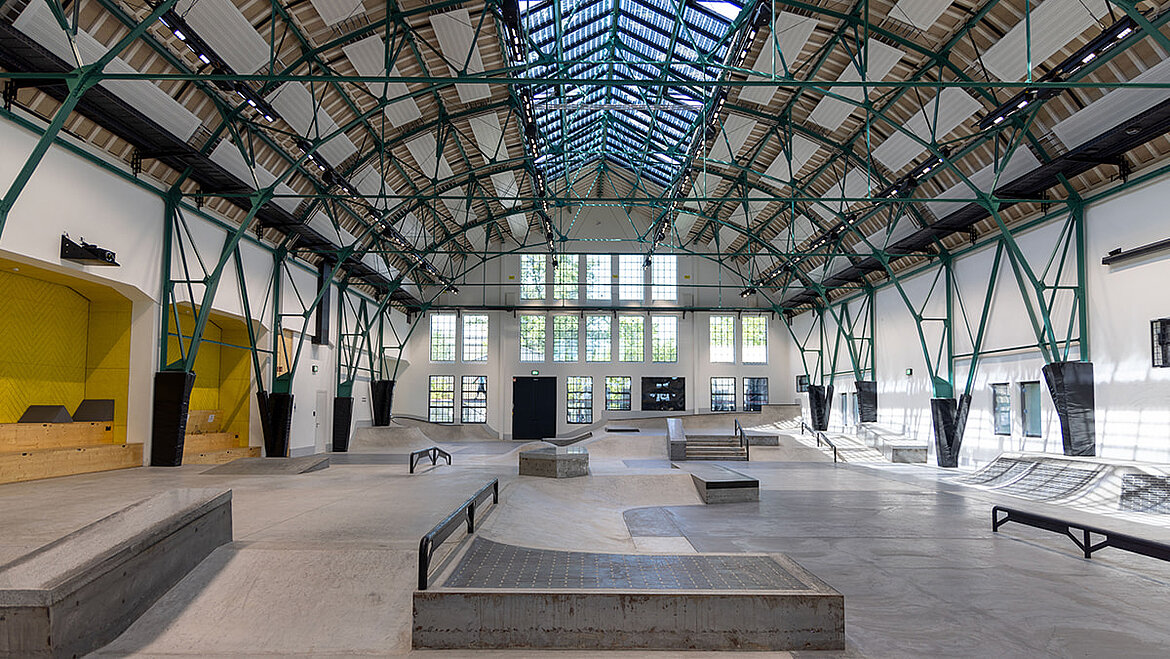
Building refurbishment
Refurbishment is a key driver of sustainable architecture. Between funding schemes, climate targets, heritage protection and climate action, it’s easy to lose track. We’ve brought together the most important topics related to building refurbishment for you.


