

More Light and Air Beneath the Skylight
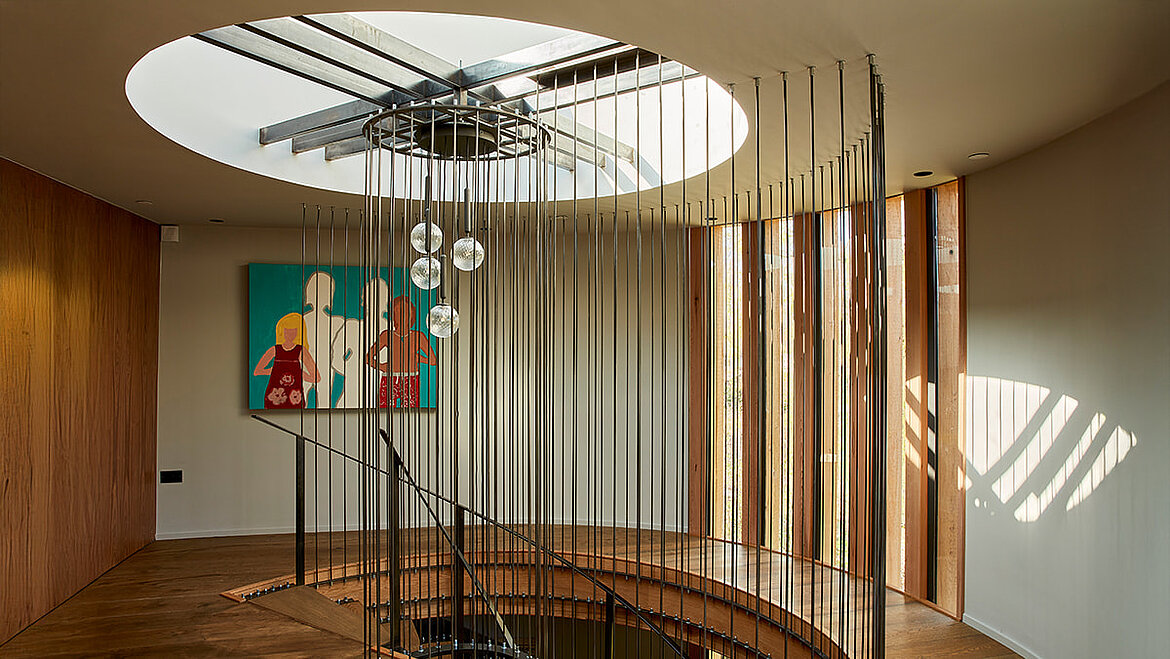
Skylights bring natural daylight and fresh air into buildings – whether residential homes, offices, or industrial halls. They create a pleasant indoor climate, enhance interior spaces, and set architectural highlights.
Available in a wide range of designs, skylights can be used as fixed glazed units, ventilation elements, or smoke and heat exhaust systems (SHEV). There is also great variety in terms of shape, material, and design – from round to rectangular, made of plastic, aluminium, or real glass. Anyone looking to retrofit skylights will often find that implementation is easier than expected. Even in existing roof structures, integration is usually straightforward when using the right components.
Roof Types Suitable for Installing Skylights
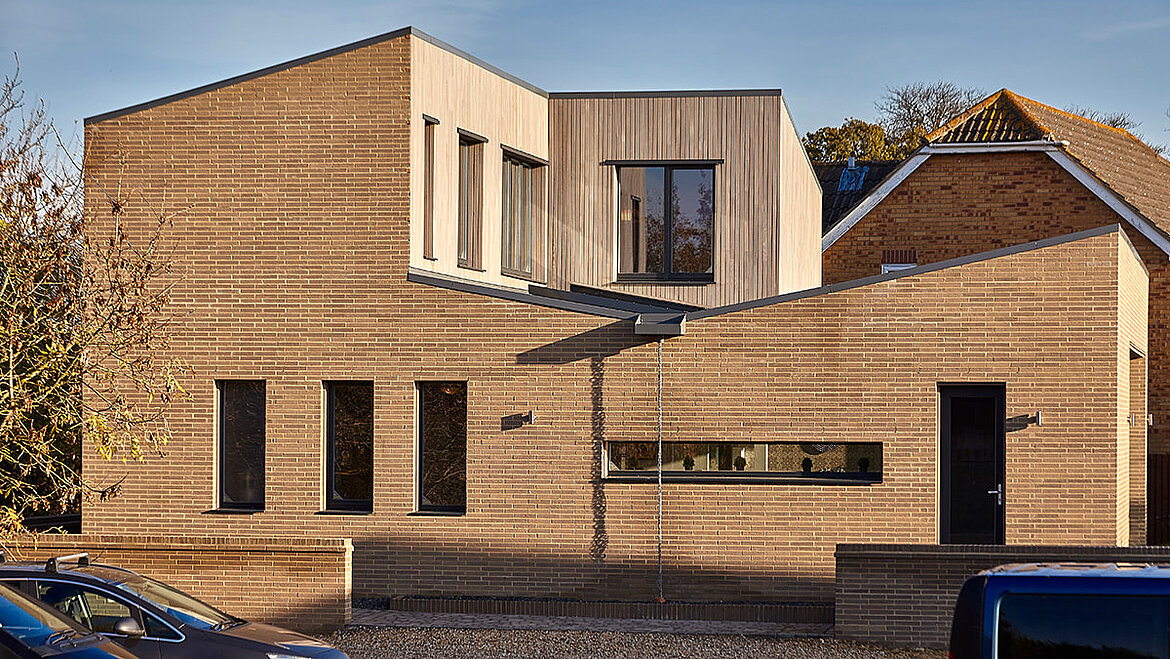
When integrating skylights into a building structure, it is important to note that not every roof is suitable for installation. Roofs with very steep pitches or complex shapes can make installation more difficult and complicate waterproofing. Flat roofs and mono-pitched roofs, on the other hand, are particularly well suited for skylights, as their specific characteristics allow for optimal integration into the building.
Flat roofs are nearly horizontal roof structures that typically have a minimal pitch of up to ten degrees to allow water to drain off the surface more easily. They are characterised by their large, flat surface area, which enables easy installation and flexible placement of skylights.
This allows daylight to be optimally captured and distributed within the room. In addition, flat roofs are often walkable, creating additional usable space.
Mono-pitched roofs have a single sloping roof surface and resemble half of a gable roof. Their slope ensures effective water runoff while providing sufficient space for the installation of multiple skylights, creating bright, light-filled interiors. Mono-pitched roofs are considered a modern and energy-efficient roof design and are also ideally suited for solar installations.
Types of Flat Roof Windows
This raises the question of which window types are best suited for retrofitting into flat and mono-pitched roofs. Flat roof windows in particular have proven advantageous, as they are adapted to the specific conditions. The following section therefore presents the different versions and their characteristics in more detail.
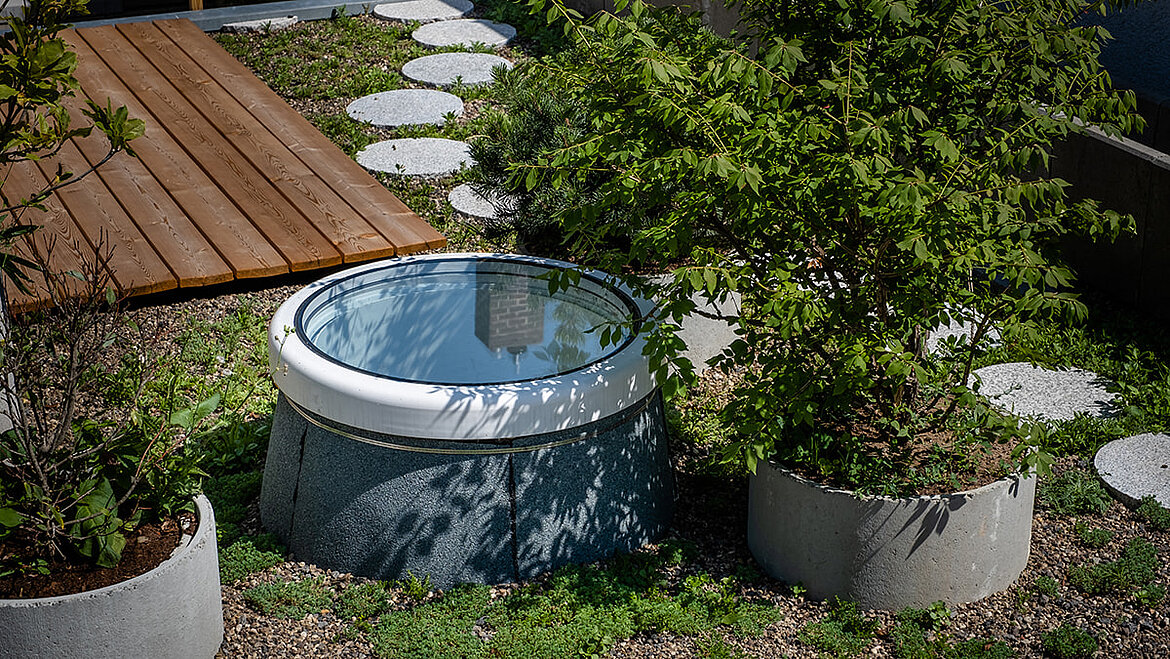
- Fixed glazed windows are among the simplest variants of flat roof windows and are ideally suited for roofs with a pitch of up to 15 degrees. As permanently closed elements, they bring abundant daylight into buildings and create brightness, especially in rooms that are otherwise difficult to illuminate naturally due to their location or structural conditions. They not only improve the atmosphere but also give rooms an entirely new sense of space and comfort.
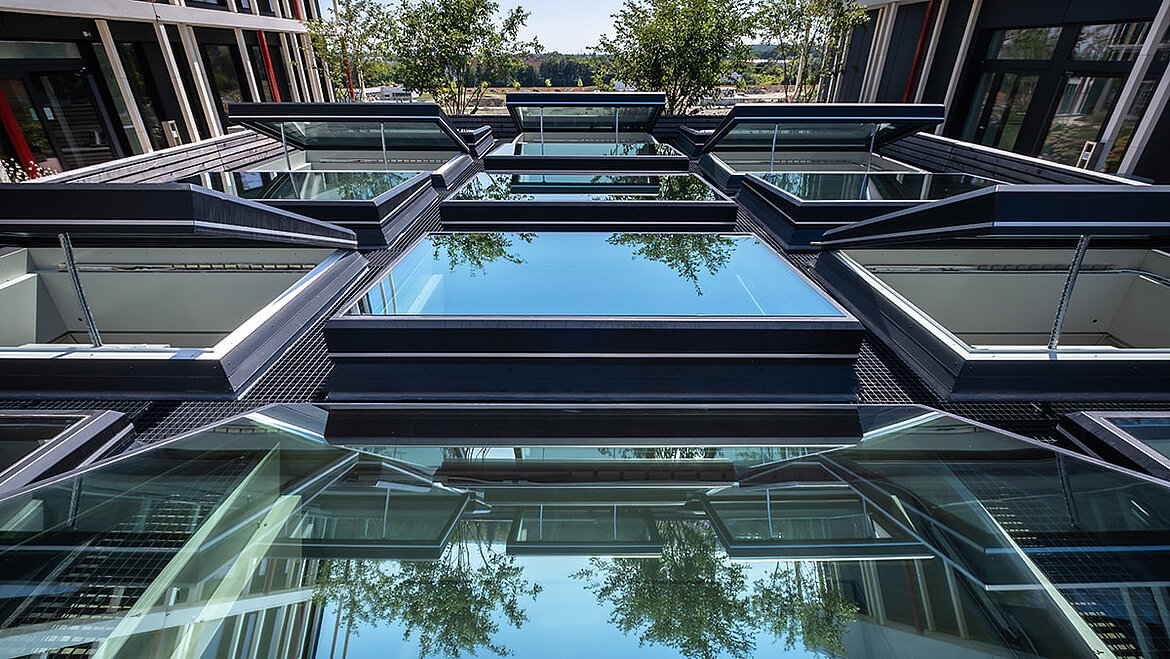
- Flat roof windows with ventilation function not only provide daylight but also enable natural ventilation. Depending on requirements, these windows can be opened manually or electrically. Motorised versions are particularly suitable for rooms with high ceilings and can often be integrated into modern smart home systems. These skylights can also be installed without difficulty in roofs with a pitch of up to 15 degrees.
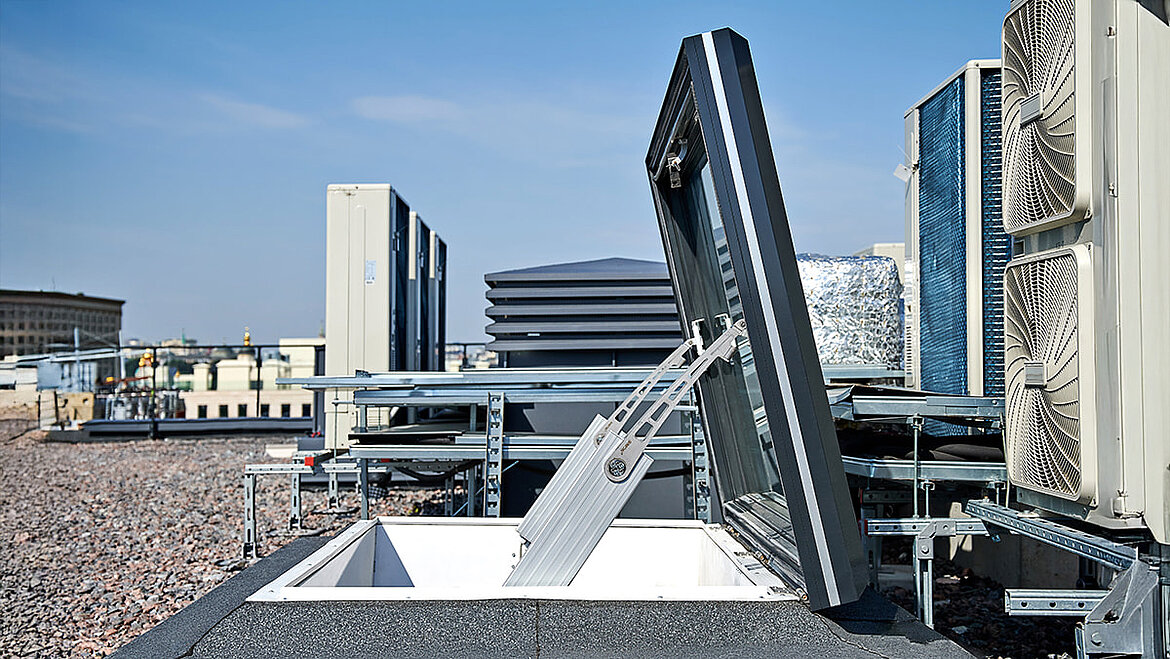
- Smoke and heat exhaust systems (SHEV) perform a central safety function in the event of a fire. They vent heat and smoke upwards and out of the building. As a rule, these windows are motorised and can be triggered either via a switch or automatically by a fire alarm signal to enable the fastest possible smoke extraction. They therefore not only fulfil a life-saving function but also meet important requirements for preventive fire protection. Strict legal regulations and standards apply to planning and installation to ensure safe operation in emergencies.
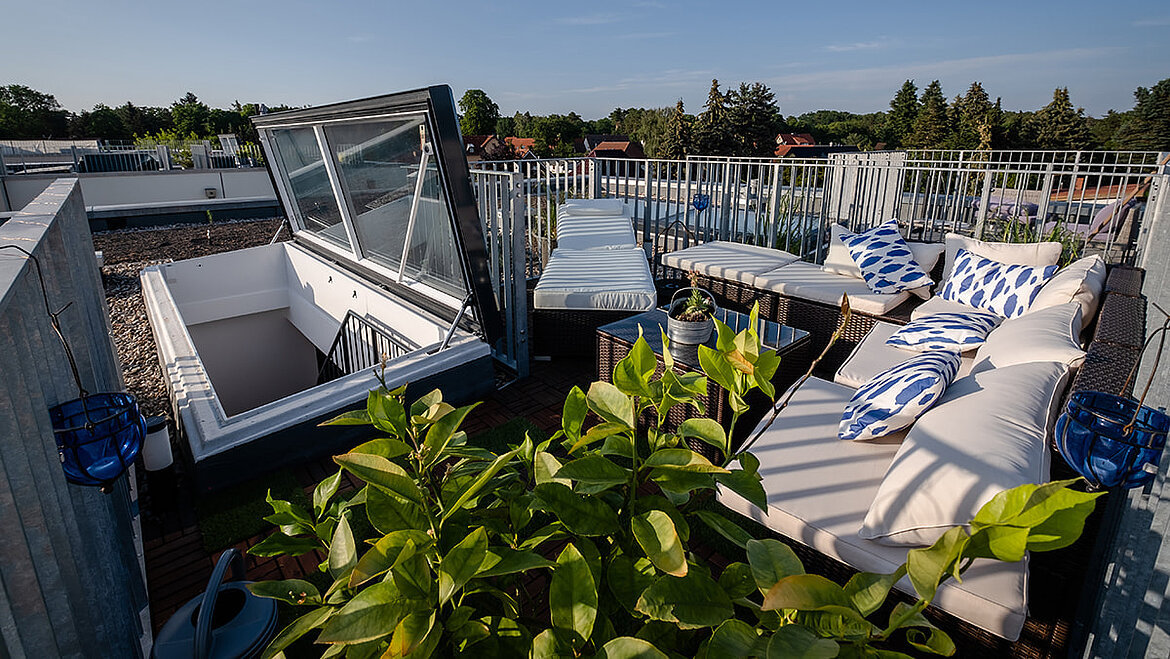
Flat roof access hatches are used when additional access to the flat roof is required. With a generally larger design, they allow convenient access to the roof, provided that a floor ladder is available and the frame offers sufficient space. This combines the benefits of a standard window with those of a roof access solution
Flat Roof Windows: What to Look Out For
When planning the retrofit of a flat roof window, several important aspects should be considered. The following checklist summarises the key points:
Energy efficiency plays a central role, especially in view of rising energy costs. Pay particular attention to the U-value of the glass, which indicates how much heat is lost through the window element to the outside. The lower this value, the better the thermal insulation and the lower the heating costs. At the same time, the window should prevent the room from overheating on hot days. Shading systems such as blinds or solar control glazing regulate solar radiation and contribute to a pleasant indoor climate. They reduce heat gain and minimise disturbing glare caused by direct sunlight.
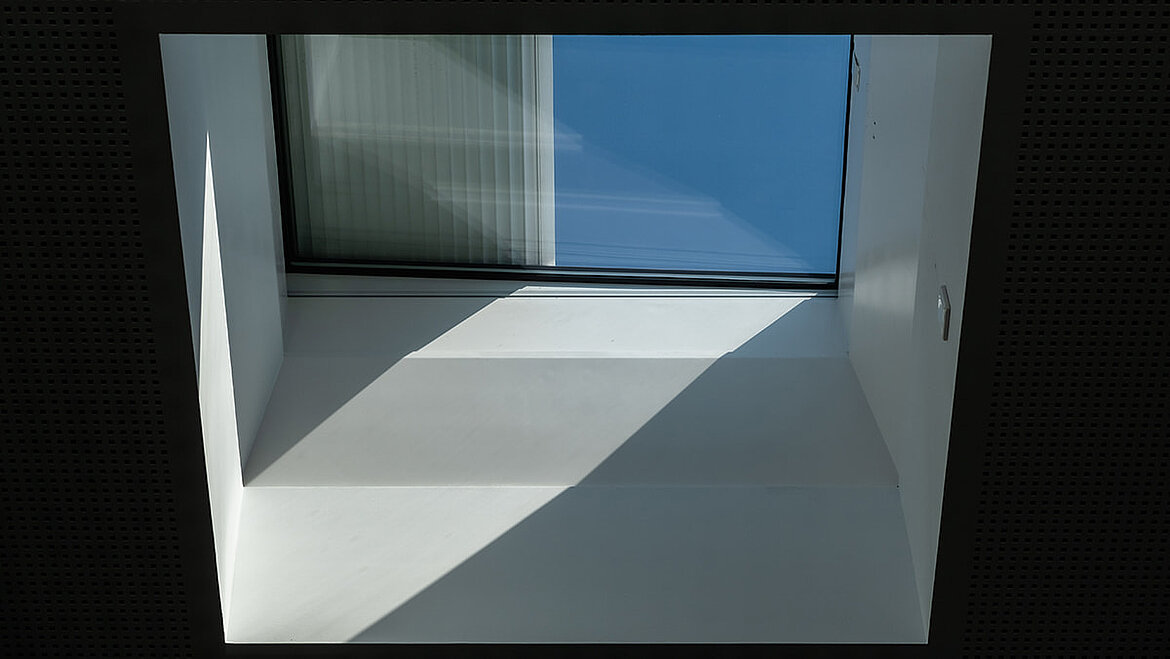
In buildings with high safety requirements – such as industrial facilities or public buildings – fall protection and stability of skylights are essential. The window construction must be robust enough to reliably protect people and objects and minimise accident risks.
Sound insulation should also not be underestimated, especially during rain or in busy urban areas. The drumming of raindrops or traffic noise can significantly impair living comfort. Therefore, choose windows with sound-reducing properties to maintain a calm atmosphere at all times.
Our Glass Skylights
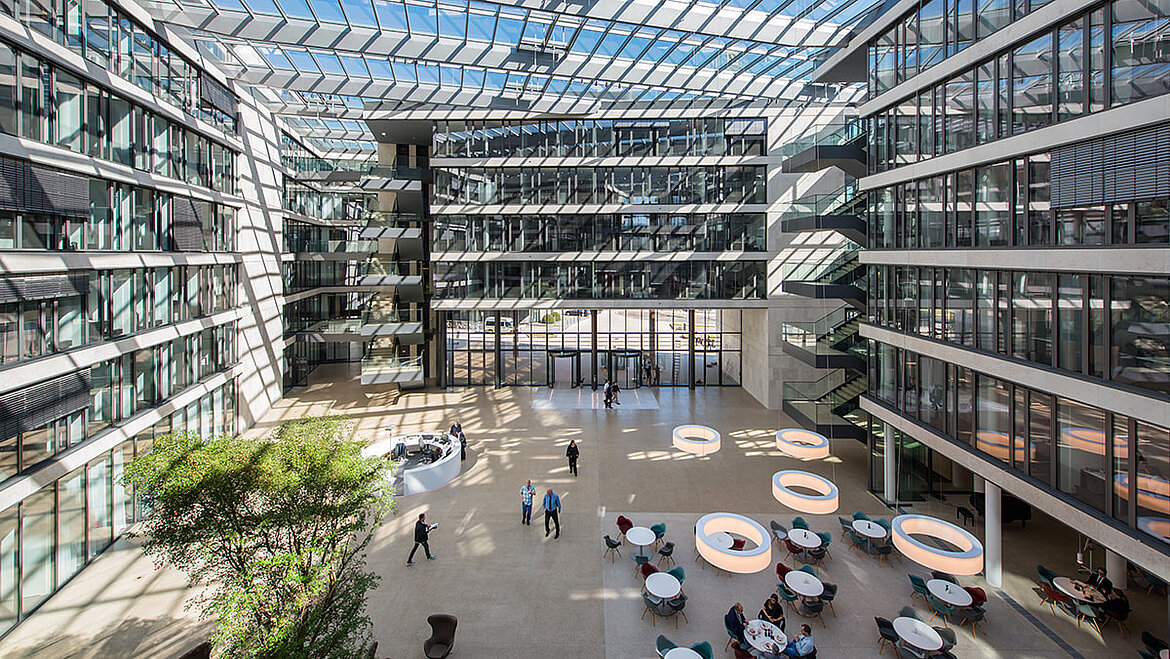
Whether residential buildings, day-care centres or office complexes – LAMILUX Glass Skylights enhance any space and provide daylight, fresh air and a high level of comfort. Discover the wide range of available options.
Retrofitting Skylights
In principle, skylights can be retrofitted in almost all types of flat roofs – both in existing buildings and new constructions. Installation is usually straightforward. Upstand kerbs act as adapters between the roof surface and the skylight and enable installation even with thick roof insulation. They raise the window by around 15 centimetres above the roof surface and reliably protect it from standing moisture.
If the roof insulation is located within the roof structure or if the roof surface is, for example, greened or covered with gravel, additional adapter kerbs ensure the required height. They not only provide a stable construction but also ensure an airtight seal – an important prerequisite for energy efficiency and moisture protection.
But how does installation work in detail? First, a suitable opening is created in the roof that exactly matches the dimensions of the frame. If insulation or fill material is present, the adapter kerb can be placed on top. Alternatively, the frame or upstand kerb can be fixed directly onto the roof surface.
This is followed by screwing the window to the upstand kerb. The frame, upstand, or adapter kerb is then professionally sealed and secured. In the next step, insulation is brought up to the mounted elements before the adapter kerb seals the roof opening in an airtight and watertight manner. Finally, the mounting rails are installed – and the flat roof window is ready for use.
Installation Costs of Skylights
When calculating the costs for installing a skylight, two main factors play a role: the price of the window itself and the installation costs. Window prices depend primarily on size, function, and material quality. As a general guideline, prices usually range between €500 and €2,000. Custom-made solutions can be significantly more expensive.
Installation costs also vary depending on window type, size, and associated effort. Additional work such as adjustments to the roof structure or necessary electrical installations also affect the total price.
As a rough rule of thumb: labour and additional costs for retrofitting often correspond to the price of the window itself. If only a modernisation or replacement is carried out, the pure installation costs usually range between €300 and €450, plus the price of the new window.
Retrofitting Made Easy
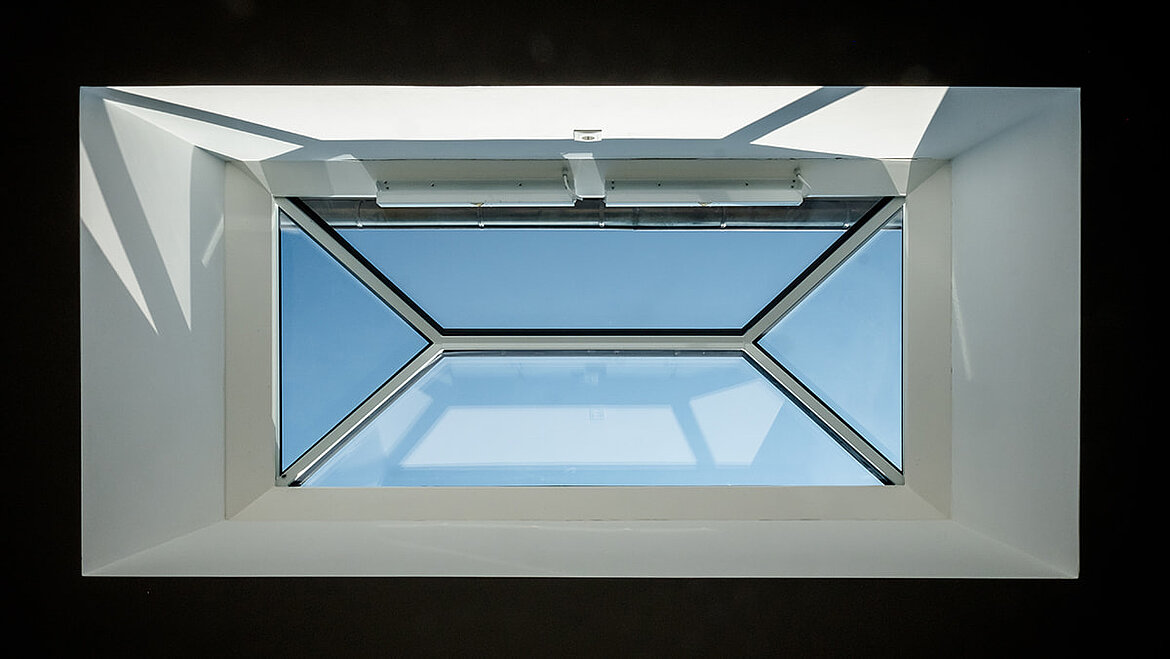
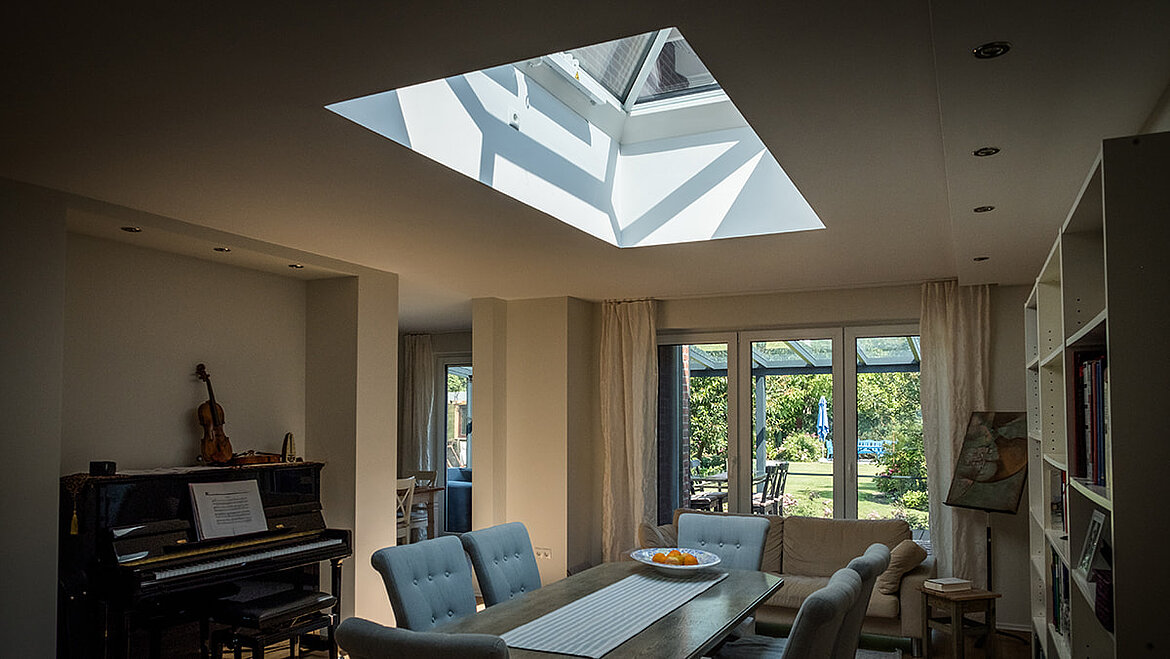
As you can see, skylights offer an excellent way to supply rooms with natural daylight and fresh air – while also setting strong architectural accents. They can be integrated into flat roofs both in new buildings and retrofitted into existing buildings with ease.
The costs for modernising flat roof windows generally remain manageable and can be further reduced through government funding programmes. This makes the investment not only functionally beneficial but also economically attractive.


